


Treni da Budapest a Pragada $ 10.44
Treni da Budapest a Praga
Viaggiare in treno: Budapest - Praga
From the Danube to the Vltava: A Scenic Train Journey
Ever wondered what it feels like to glide through the heart of Europe on a train? The journey from Budapest to Prague offers a captivating experience that you won't forget. With a total distance of approximately 525 kilometers, the train ride can take as little as 7 hours, making it a convenient option for travelers.
As you embark from Budapest Keleti station, you’ll pass through charming towns like Brno and Győr, each with its own unique allure. The train smoothly connects you to the vibrant city of Prague, arriving at the iconic Prague Main Station.
Along the way, you’ll be enchanted by the landscapes of rolling hills and quaint villages. The most iconic item at departure is the majestic Hungarian Parliament Building, while in Prague, the stunning Charles Bridge awaits your arrival.
So, pack your bags and get ready to explore the enchanting streets of Prague—a city where history and modernity beautifully intertwine!
Acquista biglietti del treno da Budapest a Praga
Viaggiare in treno da Budapest a Praga è un viaggio facile e confortevole. RailClick è il modo migliore per viaggiare in Europa in treno.
Budapest: Luoghi da visitare
Imagine wandering through a city where every corner tells a story, where stunning architecture meets rich history. Welcome to Budapest, a jewel of Central Europe that promises to captivate your senses. Are you ready to uncover its hidden treasures?
1. Buda Castle - A UNESCO World Heritage site, this majestic castle offers breathtaking views of the city. Located in the Castle District, it’s open daily from 10 AM to 6 PM, with an entrance fee of around €10. Don’t miss the changing of the guard!
2. Parliament Building - An iconic symbol of Budapest, this architectural masterpiece is best appreciated on a guided tour. Open daily, tours run every 30 minutes, costing about €10. Arrive early to avoid crowds.
3. Fisherman’s Bastion - This fairy-tale terrace provides panoramic views of the Danube. Free to enter, it’s especially magical at sunrise. Grab a coffee from a nearby café to enhance your experience.
4. St. Stephen’s Basilica - A stunning neoclassical church, it’s open from 9 AM to 5 PM. Entrance is free, but a small fee applies to climb the dome for spectacular views.
5. Chain Bridge - A symbol of unity, this bridge connects Buda and Pest. Best enjoyed at night when illuminated, it’s a perfect spot for a romantic stroll.
6. Great Market Hall - Dive into Budapest’s culinary scene here. Open daily, it’s the ideal place to sample local delicacies like goulash and chimney cake.
7. Thermal Baths - Experience the famous thermal baths, such as Széchenyi or Gellért. Open daily, prices vary, but the relaxation is priceless. Visit during off-peak hours for a more tranquil experience.
In Budapest, every landmark is a chapter in a grand story, and every meal is a taste of tradition. As you explore, you’ll find that this city is not just a destination but an unforgettable journey through time.

Praga: Luoghi da visitare
Scoprite i segreti di Praga, la capitale della Repubblica Ceca, una città che sembra uscita direttamente da una favola medievale. Con i suoi ponti di pietra, strade acciottolate e una storia che si intreccia tra arte e architettura, Praga offre un'esperienza indimenticabile che va oltre la semplice visita turistica.
Castello di Praga
In cima alla lista c'è il magnifico Castello di Praga, il più grande complesso castellare del mondo. La sua storia inizia nel IX secolo e comprende la Cattedrale di San Vito e il vicolo d'Oro. Apertura: tutti i giorni, costo d'ingresso: circa 250-350 CZK.
Ponte Carlo
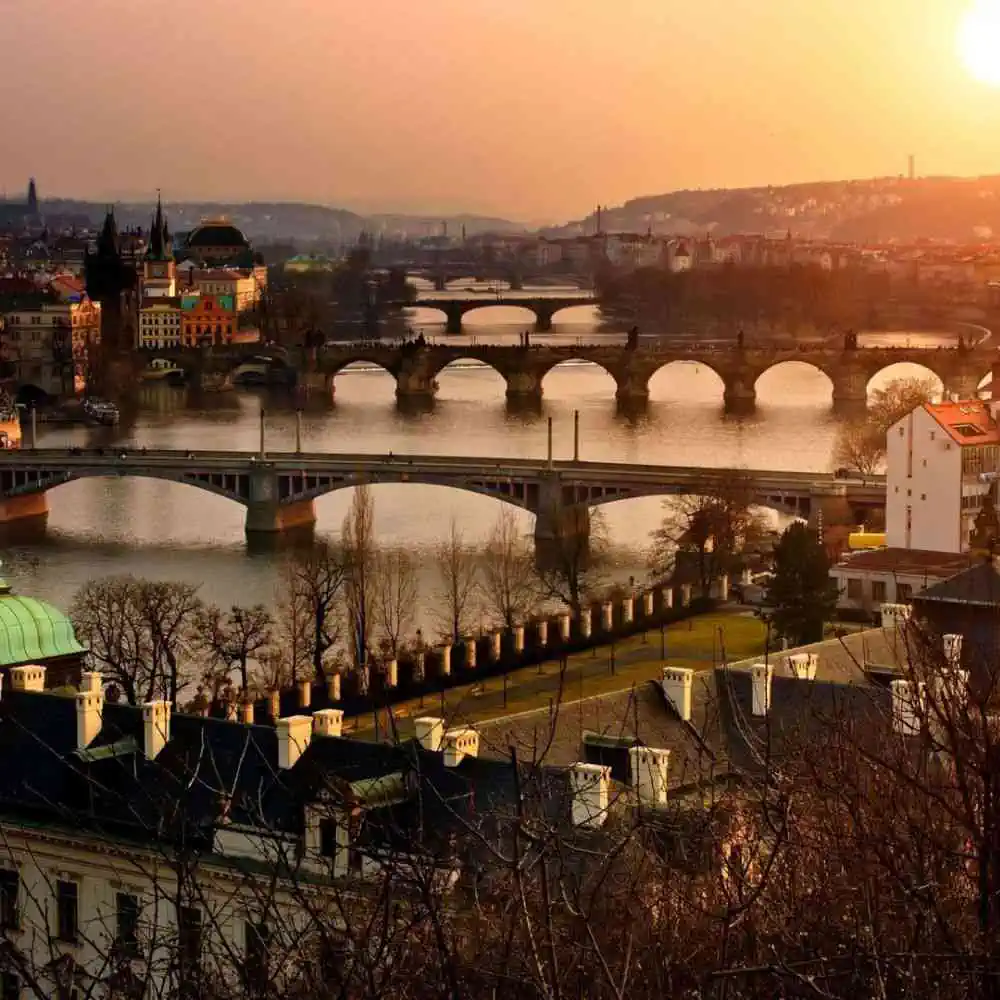
Attraversate il tempo sul Ponte Carlo, una meraviglia architettonica adornata da statue barocche e con viste mozzafiato sul fiume Vltava. Visita al mattino presto per evitare la folla.
Orologio Astronomico
La piazza della città vecchia ospita l'iconico Orologio Astronomico del XIV secolo, dove ogni ora si assiste a un affascinante spettacolo meccanico. Accesso gratuito, con possibilità di salire per una vista panoramica.
Quartiere Ebraico (Josefov)
Esplorate il suggestivo Quartiere Ebraico, noto per il suo vecchio cimitero e le storiche sinagoghe. Biglietto combinato per vari siti disponibile.
Piazza Venceslao
Non solo è il cuore del commercio e della cultura, ma la Piazza Venceslao ha anche un forte significato storico legato alla Primavera di Praga. Ottima zona per shopping e ristorazione.
Muro di John Lennon
Per un tocco di storia moderna, il Muro di John Lennon è un tributo vivente alla libertà di espressione e all'amore. Accesso gratuito.
Casa Danzante
Infine, per un contrasto architettonico, visitate la Casa Danzante, un esempio di architettura contemporanea che rompe gli schemi tradizionali. Bar al piano superiore per godere della vista.
La cucina praghese offre una varietà di piatti tradizionali da non perdere, come il goulash, i knedlíky (gnocchi di pane) e il trdlo (dolce a forma di cono).
Da Praga, inoltre, partono innumerevoli avventure verso pittoresche cittadine e castelli nelle vicinanze, perfetti per escursioni giornaliere. Lasciate che Praga vi incanti con la sua storia, la sua arte e la sua inconfondibile atmosfera.

Budapest: Principali stazioni ferroviarie
The main train station of Budapest is Keleti Railway Station, a historic hub that connects the city to various domestic and international destinations. Besides Keleti, Budapest also features other significant stations like Nyugati Railway Station and Déli Railway Station, each serving different routes and offering unique architectural styles, making them worth a visit.
Keleti Railway Station is located at 1087 Budapest, Baross tér 11. It operates daily from early morning until late at night, providing ample time for travelers. For those needing to store their belongings, the station offers luggage storage services, ensuring a convenient experience for visitors exploring the beautiful sights of Budapest.
- Budapest-Déli
- Budapest-Nyugati
- Budapest-Zugló
Praga: Principali stazioni ferroviarie
Scoprire Praga, la capitale della Repubblica Ceca, inizia spesso dalla sua porta d'ingresso ferroviaria, la stazione centrale, nota localmente come Praha hlavní nádraží. Questa non è solo la più grande stazione della città ma serve anche come punto di collegamento cruciale per viaggiatori interni ed esteri. Sebbene la stazione centrale sia il fulcro dei trasporti, Praga vanta anche altre stazioni significative, come la Praha Masarykovo nádraží e la Praha-Holešovice, facilitando l'accesso a diverse parti della città e a destinazioni in tutto il paese.
L'indirizzo della stazione centrale di Praga è Wilsonova 300/8, situata strategicamente nel cuore della città. Gli orari di apertura sono ampi, consentendo ai viaggiatori di accedere ai servizi della stazione quasi in ogni momento. Per quanto riguarda i servizi, la stazione offre deposito bagagli, disponibile per i viaggiatori che desiderano esplorare la città senza il peso delle valigie. Questa comodità si rivela particolarmente utile per chi approfitta delle lunghe attese tra i collegamenti ferroviari per scoprire le meraviglie di Praga.
- Praga-Holešovice
- Praha hl.n. Wilsonova
- Praga-Holešovice
- Praha-Bubny
- Praha-Dejvice
- Praha Masarykovo Nadrazi
- Praha-Libeň
- Praha-Smíchov
- Praha-Vršovice
- Praha-Vysočany
Budapest - Praga: Come ottenere le migliori offerte
Prenota in anticipo:
Come per le tariffe aeree, i prezzi dei biglietti dei treni tendono ad aumentare man mano che si avvicina la data di partenza. Prenotare settimane o addirittura mesi in anticipo può farti risparmiare una notevole quantità.
Viaggia durante le ore di minore affluenza:
Evita di viaggiare durante le ore di punta, come le mattine e le serate feriali. Opta per viaggi a metà giornata, tarda serata o a metà settimana quando c'è meno domanda.
Considera treni più lenti o percorsi non diretti:
I treni espressi o ad alta velocità possono risparmiare tempo, ma spesso sono più costosi. Optare per servizi regionali o più lenti può ridurre la tua tariffa.
Cerca offerte speciali e promozioni:
Le compagnie ferroviarie occasionalmente hanno promozioni o offerte speciali, specialmente durante le stagioni di bassa affluenza. Vale la pena iscriversi alle newsletter. Inoltre, a volte ci sono sconti per gruppi o per biglietti di ritorno, quindi considera queste opzioni se si adattano ai tuoi piani di viaggio.
- Contattaci





 4.7 Stelle | 10000+ Recensioni